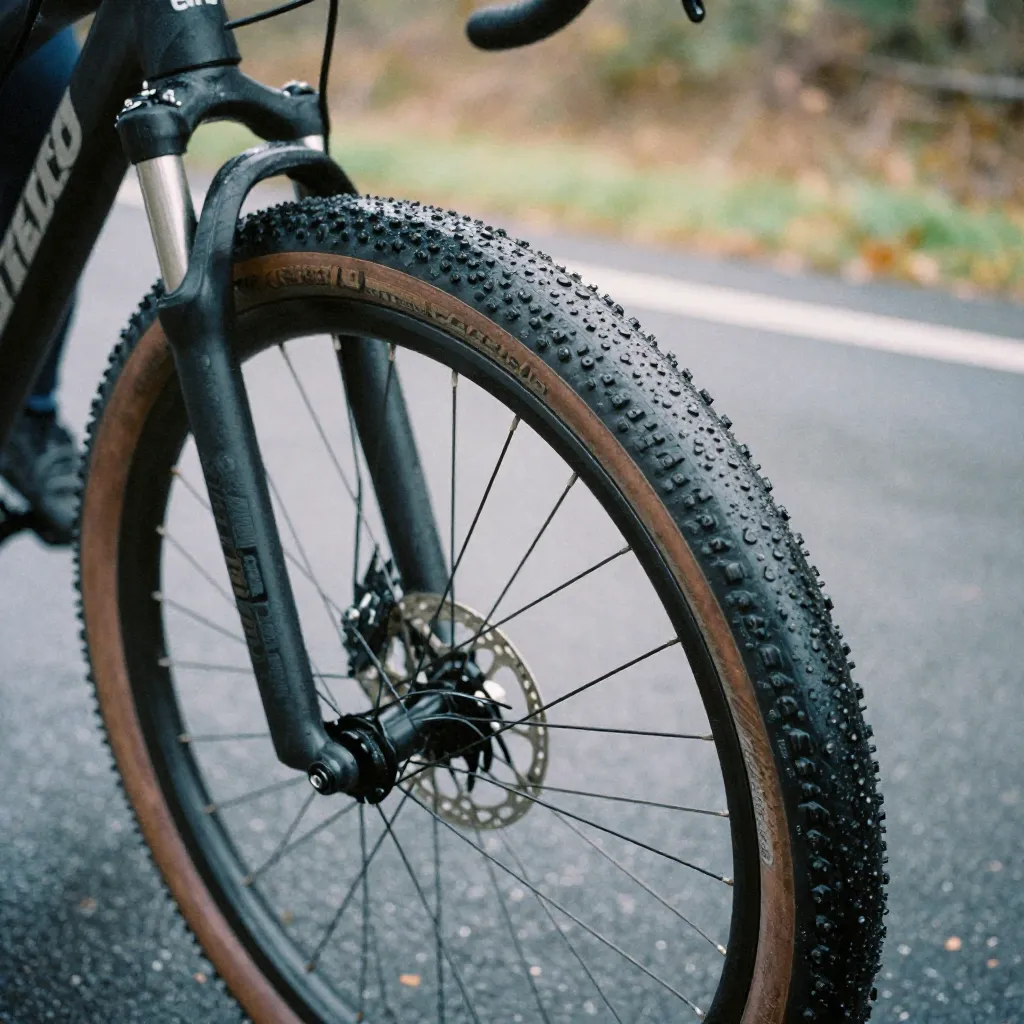
Component Anatomy
Mechanical systems breakdown: drivetrain, braking, and suspension interactions with environmental elements.
Systematic Component Analysis
A bicycle functions as an integrated mechanical system. Each component interacts with others, and environmental factors affect these interactions differently. Understanding material properties and wear patterns enables precise adjustments.

Drivetrain System
Chain and Cassette
Chains experience accelerated wear from road salt and grit. Salt crystals act as abrasives between chain links. Regular cleaning and lubrication extend component life.
Cassette teeth wear unevenly under load. Hard shifts accelerate wear. Proper derailleur adjustment prevents chain misalignment.
Material Considerations
Steel chains require rust prevention. Nickel-plated chains offer better corrosion resistance. Aluminum cassettes are lighter but wear faster than steel.
Carbon fiber chainrings provide weight savings but require careful torque application. Over-tightening can cause cracking.

Chain Wear Measurement
Use chain checker tools to measure elongation. Replace chains before they damage cassettes.

Cassette Inspection
Check for hooked teeth and uneven wear patterns. Worn cassettes cause chain skipping.
Braking Systems
Hydraulic Brakes
Brake fluid absorbs moisture over time. Contaminated fluid lowers boiling point and reduces performance. Annual fluid replacement maintains optimal function.
Piston seals degrade with exposure to UV and temperature cycles. Leaking seals require immediate attention. Regular inspection prevents failure.
Mechanical Brakes
Cable systems stretch and corrode. Salt exposure accelerates cable wear. Regular lubrication extends cable life.
Brake pad compounds vary in performance. Metallic pads offer better wet-weather performance. Organic pads provide quieter operation.
Suspension Systems
Suspension components require regular maintenance to maintain performance. Air pressure changes with temperature. Oil viscosity affects damping characteristics.
Air Suspension
Air pressure increases with temperature. Regular pressure checks maintain consistent performance. O-rings require periodic replacement.
Negative air chambers affect small-bump sensitivity. Proper balance between positive and negative chambers optimizes feel.
Coil Suspension
Spring rates remain constant but require periodic cleaning. Coil springs accumulate dirt and debris. Regular service extends component life.
Damping adjustments affect compression and rebound. Proper setup matches rider weight and terrain conditions.

Material and Element Interaction
Road Salt and Grit Effects
Finnish road salt contains sodium chloride and calcium chloride. These compounds accelerate corrosion in steel components. Aluminum forms protective oxide layers but can pit under salt exposure.
Grit particles embed in lubricants, creating abrasive conditions. Regular cleaning removes contaminants before they cause damage.
Carbon Fiber Considerations
Carbon fiber resists corrosion but requires careful handling. Impact damage may not be visible externally. Ultrasonic inspection detects internal delamination.
UV exposure degrades epoxy resins over time. Protective coatings extend component life. Regular inspection identifies degradation early.
Schedule Component Assessment
Contact us for detailed component analysis and maintenance recommendations.
Contact Us